Before I knew the term: encountering Adultification Bias in 2020 | pt 3 — representation in the media
Finally in this series, I explore the intentions behind the campaign toolkit and why it’s important to preserve and document our histories.
Camera shy
Camera-shy. Photogenic. Documentation.
This is why preserving and documenting our histories matters.
As someone who is writing about documenting one’s existence, it’s something that i’ve been working on over the past few years. Growing up my childhood and adolescence was well documented.
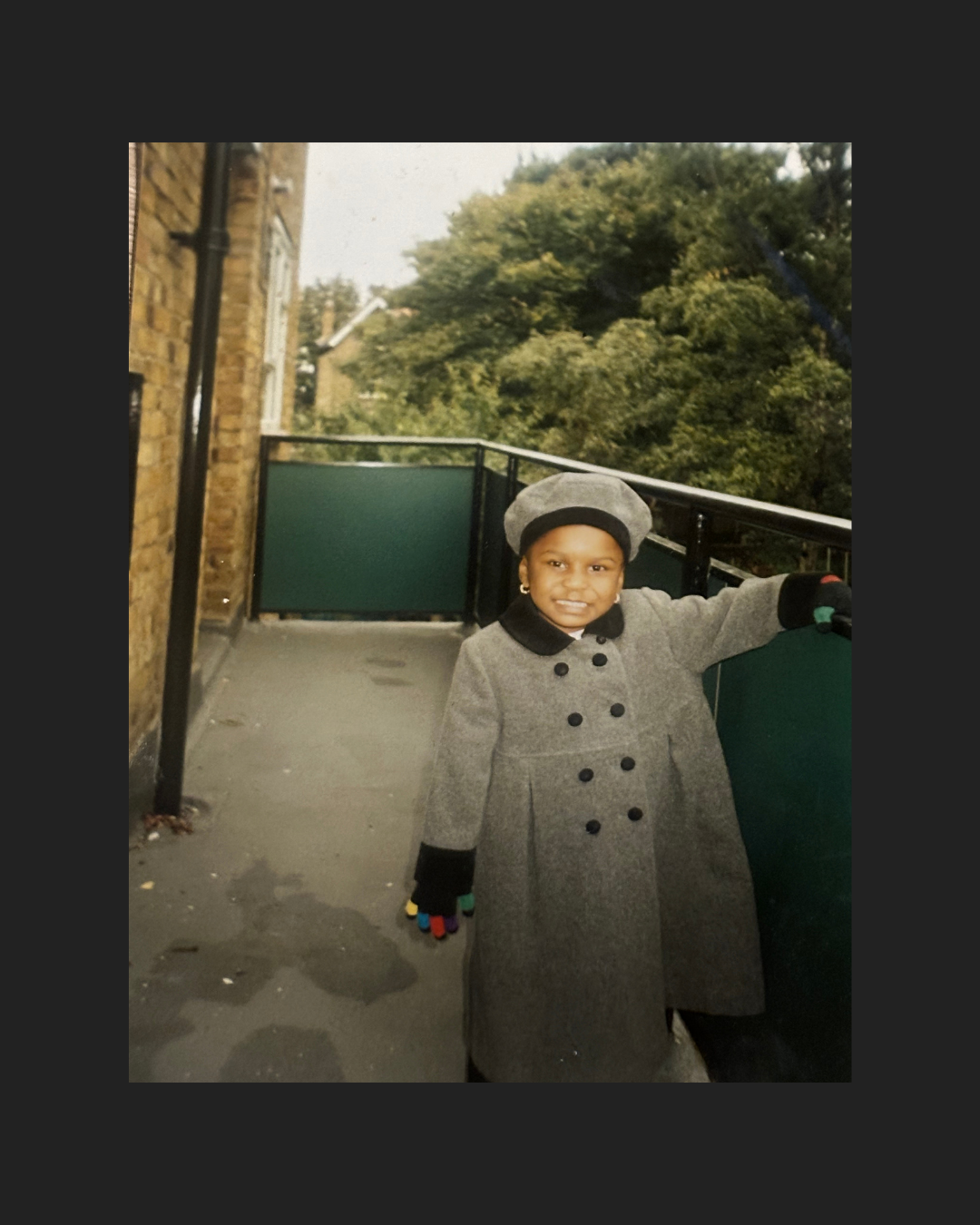
This is young Martha, a black girl in Britain.
Growing up, I’d spend time sifting through our family photo albums and collections, looking through the images that referenced our memories and everyday moments. Most were photographs captured by my parents and loved ones — imperfect, personal and completely ours. Looking back, those photographs quietly informed my design style and the way I approach image-making today. They taught me that an image doesn’t have to be perfect to hold meaning; sometimes its value is in what it allows you to remember.
So, what is the link between old photographs and this toolkit?
For me, it’s memory. The photographs I grew up with became a personal visual archive — a collection of references that shaped how I see people, places and stories. This toolkit follows that same idea: collecting, documenting and preserving the visual language, thinking and creative decisions behind the work, so they don’t simply disappear once a campaign ends. It’s a way of turning creative work into something that can be revisited, understood and built upon — much like those family albums I used to spend hours looking through.
And what about the other connection?
Clients.
Well two years ago, an idea from my early freelancing days became something much bigger.
Early in my freelance career, I noticed that client briefings were often inconsistent visually, so I leaned on stock libraries as a quick way to bring ideas to life, and help clients see what something could look like. But the more I searched, the more I noticed what was missing.
Research from Getty Images found that Black girls appeared in just 0.26% of the visuals most downloaded by UK brands, agencies and publishers. While the research focused on a younger demographic, the pattern felt familiar in the work I was seeing around me — particularly when it came to the quick, everyday visual solutions brands relied on through stock imagery.
It made me think about our representation in the media.
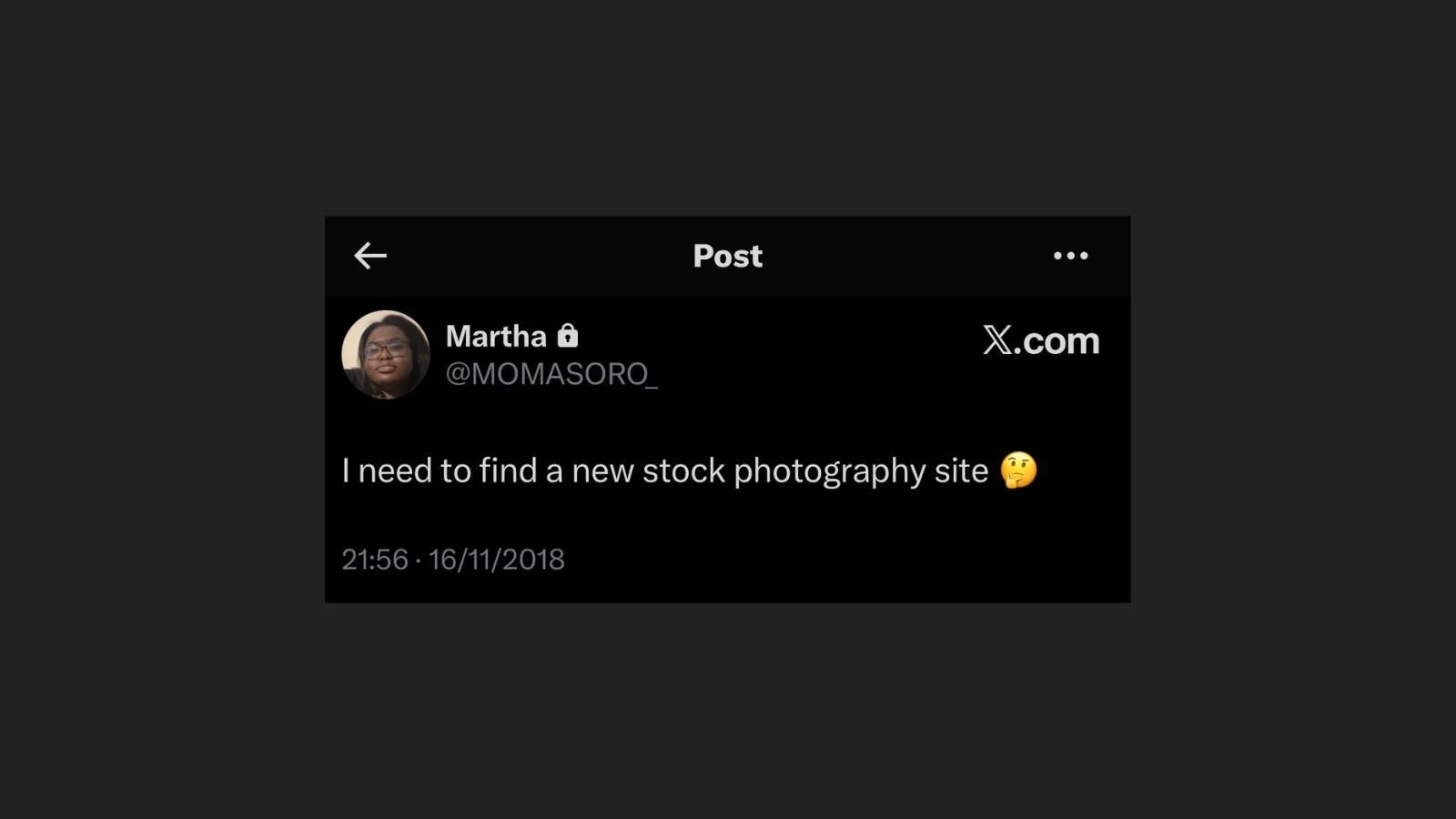
Eventually, that thinking became the foundation for parts of Let Black Girls Be Girls 2024 campaign.
© 2024 Original tweet by Martha Omasoro.
Keeping a record
There is something powerful about keeping a record.
Not everything needs to become history before we decide it is worth documenting. Sometimes, documentation is simply a way of saying: this happened, I was here, and this mattered.
Our histories aren’t only found in museums or textbooks. They live in family photographs, old magazines, community spaces, handwritten notes, campaign posters, clothing, recipes, music, oral stories and the images we create of one another.
They live in the everyday.
Curating your own archive
For communities whose stories have historically been overlooked, simplified or told through someone else’s perspective, documenting our own experiences becomes an act of preservation.
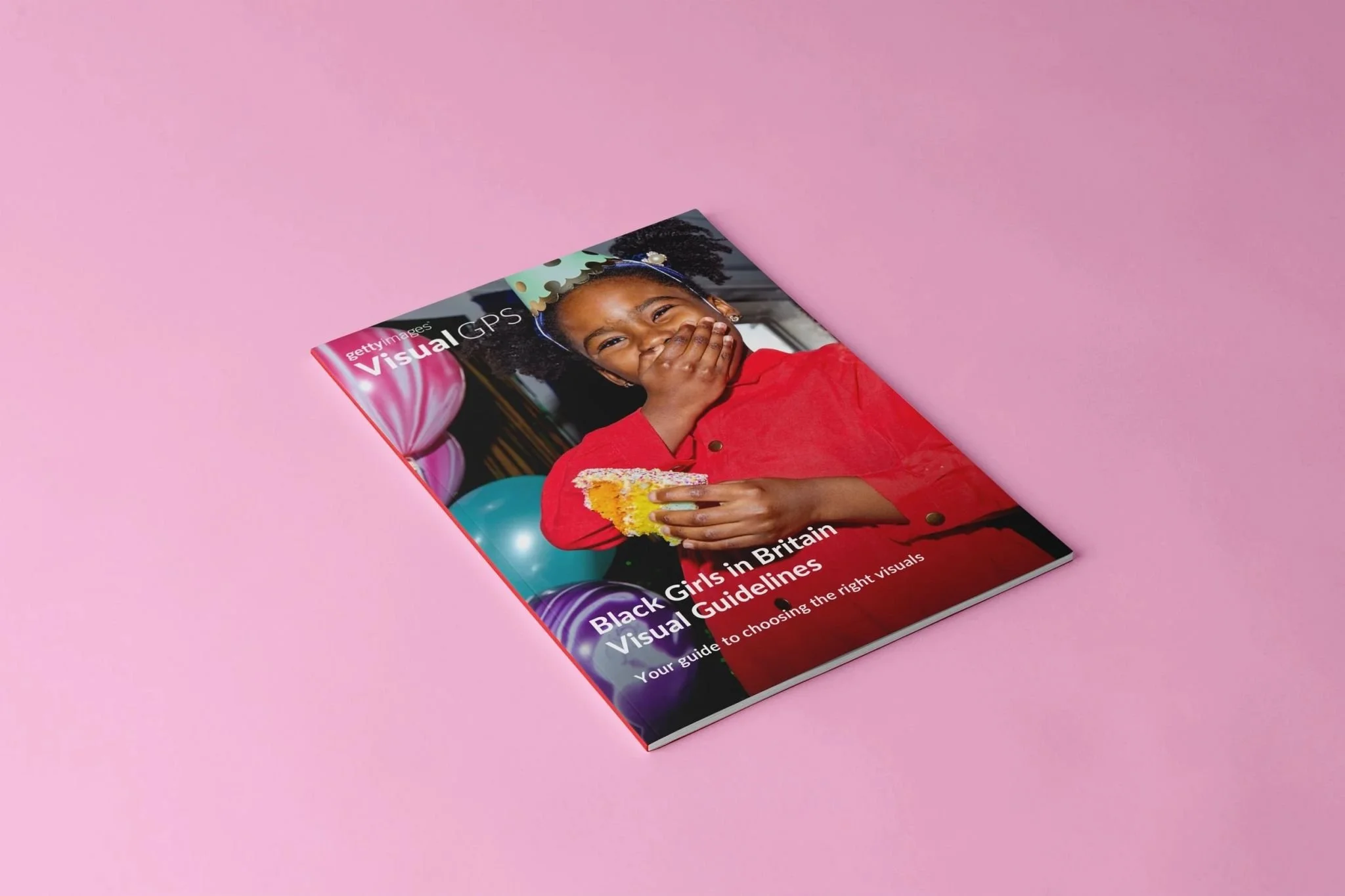
There have always been gaps in the visual record of Black life — not because Black people weren’t living rich, complex and ordinary lives, but because those lives weren’t always being documented, commissioned, collected or distributed at the same scale.
That absence matters.
Because when something isn’t documented, it becomes easier to forget. And when something is forgotten, future generations have fewer opportunities to understand where they came from.
Documentation gives us another choice: we can create our own record.
Why this matters
Black Girls in Britain. Let Black Girls Be Girls.
The campaign eventually became a national visual conversation around Adultification Bias, but its history didn’t begin with the billboards.
It began with an observation.
Then a question.
Then an image.
Then an idea.
Then an insight.
Then people.
And that history is worth preserving.
The photographs matter. The creative decisions matter. The conversations matter. The context matters. The people who contributed matter.
Because the final campaign is only one part of the story.
And this toolkit is part of that record.
-
Thank you for reading.
More can be viewed on Let Black Girls Be Girls or via Instagram at @letblackgirls. 🤎
